Laser Tattoo Removal in Las Vegas: Prices and the Sun Problem
Las Vegas is one of the cheapest large removal markets in the country. The catch is not the price, it is the sun: 300 clear days a year quietly stretch a course out if you do not plan around them.
silvano para
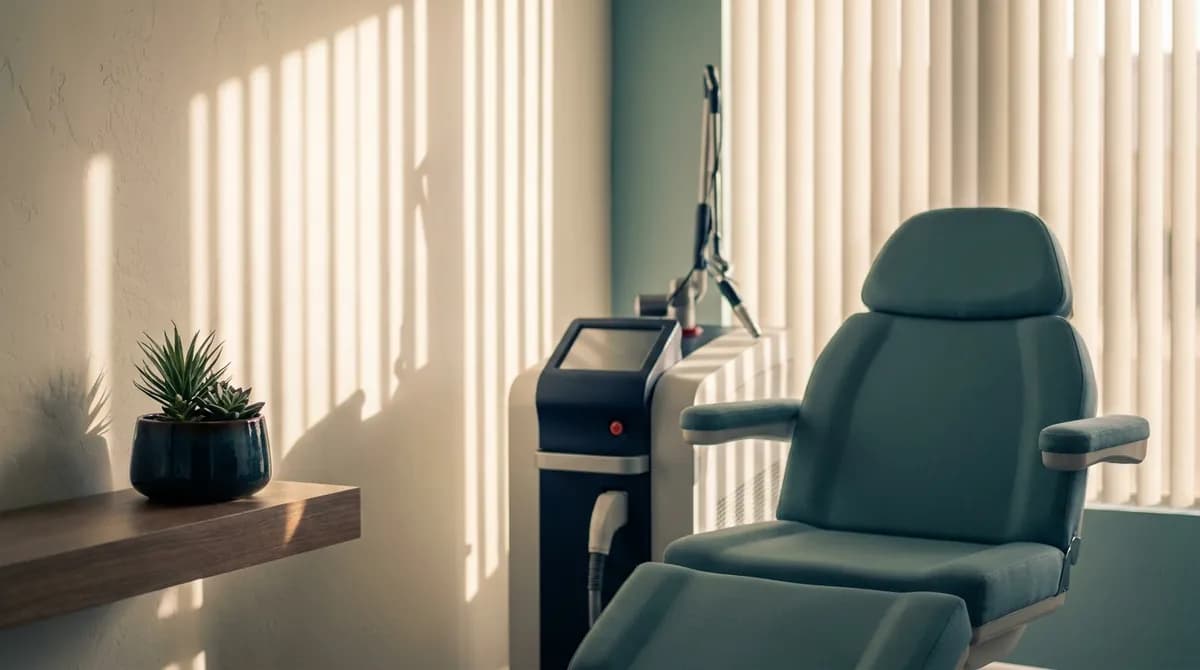
Las Vegas is one of the cheapest large markets in the country for laser tattoo removal, roughly $100 to $300 a session, with enough clinics in the valley that you can shop a quote seriously. The catch is the weather. Around 300 sunny days a year means a treated site is exposed constantly, and a tanned or sun-irritated treatment area forces the clinician to lower the energy or push your appointment, which is how a nine session plan quietly becomes a fourteen session plan. Covering the tattoo between visits is not a nice-to-have here, it is the difference between finishing in a year and finishing in two.
Valley pricing and what pushes it up or down
Prices in Las Vegas sit well below the national midpoint. Clinic density, a heavy hospitality workforce that wants visible ink gone, and constant promotional competition all push the number down. The typical session minimum is around $100, and most quotes are per visit rather than per course.
| Tattoo size | Las Vegas price per session | Typical number of sessions |
|---|---|---|
| Very small (under 2 sq in) | $100 to $140 | 5 to 8 |
| Small (wrist, ankle, finger set) | $110 to $175 | 6 to 10 |
| Medium (forearm, calf, shoulder) | $150 to $250 | 7 to 11 |
| Large (half sleeve, back panel) | $225 to $300 | 8 to 12 |
| Full sleeve or full back | $300 and up, usually treated in sections | 10 to 15 |
| Fading for a cover-up | $100 to $200 | 2 to 4 |
Run your own estimate through the tattoo removal cost calculator before you call anyone, because in a market this promotional the advertised price is rarely the total. Two Vegas specific traps: the deal site voucher that covers one small area for one session and expires before you finish the course, and the prepaid package sold at the consultation before anybody has seen how your ink responds. Buy packages after session two, not before.
Where to get it done across the valley
Listings spread from the resort corridor out to Summerlin, Henderson and the northwest. Check each listing page for the current address, since several practices operate more than one location in the valley.
Dermatology practices
If you have a history of scarring, pigment problems, a prior treatment that went badly, or you simply want a physician making the call, start here. Thomas Dermatology and Box Canyon Dermatology are established valley dermatology practices, and Skin and Cancer Institute - Las Vegas (Centennial) serves the northwest around the Centennial Hills area. Expect prices at the top of the local range and, in exchange, a medical assessment of skin that has been through something.
Studios that do laser work all day
Simplicity Laser and Laser Skin Lounge are laser focused operations rather than general spas, which usually means more repetitions on the same equipment and more flexible scheduling for people working nights. Volume experience is worth a lot in this treatment, so ask how many tattoo removal sessions the specific operator runs in a week.
Med spas around the Strip, Summerlin and Henderson
Alpha Medical Aesthetics, Flawless Medspa Las Vegas, Renew Medical Spa, Seamless Aesthetics and Gorgeous D’Luxe Aesthetics cover the broad middle of the market, offering removal alongside injectables and skin treatments. This directory does not verify licenses or supervision arrangements, so ask who operates the device, what training they have on it, and who they call if you blister badly.
The sun tax on a Las Vegas treatment course
Here is the mechanism, because it is worth understanding rather than just being told to wear sunscreen. Laser removal works by targeting pigment. Melanin in tanned skin is pigment too, sitting above the ink, and it absorbs part of the energy meant for the tattoo. A clinician looking at a tanned treatment site has two safe options: reduce the fluence so the epidermis is not damaged, which means less ink shattered per pass, or postpone the appointment. Either way the course gets longer and more expensive.
Sun also punishes you after the session. Freshly treated skin is inflamed and unusually prone to post-inflammatory hyperpigmentation, the brown staining that can outlast the tattoo itself. Between May and September in this valley, a forearm gets meaningful UV exposure just walking from a parking garage.
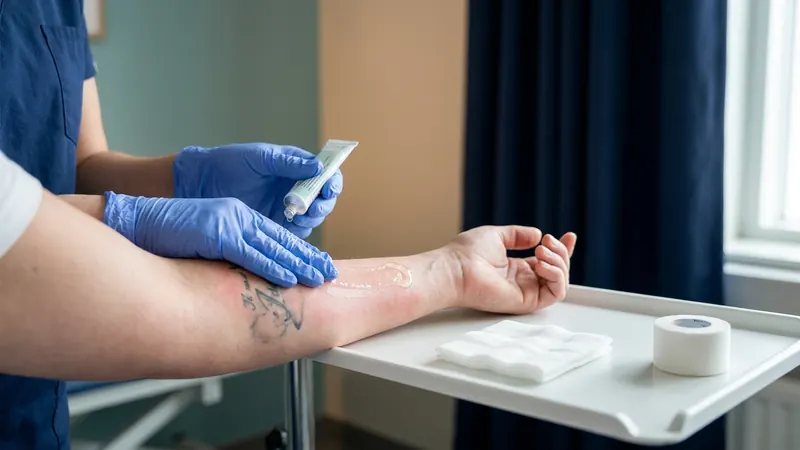
Covering the site when it is 108 degrees out
The advice most clinics give assumes a climate Las Vegas does not have. What actually works here:
- Cloth beats sunscreen while the site is open. Do not put SPF on broken or blistered skin. Use a loose cotton sleeve, a UPF rated arm sleeve or a bandage until the skin has fully closed, usually one to two weeks.
- Then SPF 30 or higher, broad spectrum, reapplied. Once healed, the site needs sun protection for the entire course and for months after the last session, not just between visits.
- Schedule around your life. If you have a Lake Mead weekend or a pool day booked, put it right before a session rather than right after, and tell the clinic honestly if you have caught sun.
- Do not tan or use self-tanner on the area. Self-tanner stains the stratum corneum and can genuinely alter how a clinician reads your skin at the appointment.
The rest of the routine (keeping it clean, leaving blisters intact, no pools or hot tubs until closed) is on our tattoo removal aftercare page. In this city the sun rules are the ones people actually break.
What the low price may not include
Cheap is normal in Las Vegas, but confirm what a session covers. Black and dark blue ink respond to 1064 nm, red needs 532 nm, and greens and sky blues need 694 nm or 755 nm; a clinic with only 1064 and 532 cannot finish a heavily green tattoo no matter how many visits you buy. Clinics here advertise both Q-switched systems and picosecond platforms such as PicoSure, PicoWay and Enlighten, and the picosecond option costs more per visit while potentially needing fewer of them. Whether that trade works out depends on your ink, so read the comparison of picosecond tattoo removal and Q-switched before paying a premium for it.
Also ask whether the quoted price covers the whole tattoo or a size band it might exceed, whether follow-up for a blister or infection costs extra, and whether unused package sessions expire. In a market with this much turnover, an expiration date is a real risk.
Frequently asked questions
Can I still get treated during a Las Vegas summer?
Yes, if you are disciplined. Many patients here front-load the aggressive part of the course between October and April and keep going through summer only if they can keep the area covered every day. What you cannot do is show up tanned and expect full energy settings.
How long does the whole thing take?
Sessions sit 6 to 8 weeks apart, or 8 to 12 weeks apart on Fitzpatrick IV to VI skin, so a typical 6 to 12 session course runs 9 months to 2 years. Missing the interval by a few weeks does no harm; treating too early does.
Are the cheap Las Vegas prices a red flag?
Not by themselves. The valley is genuinely competitive and $150 is an ordinary price here. The warning signs are different: no test patch offered on darker skin, no clear answer about who supervises the operator, pressure to prepay a large package at the first visit, and promises of full clearance in three sessions. Nobody can promise that.
I work on the Strip and need this gone fast. What are my options?
Faster is mostly a myth in this treatment, because the limiting factor is your immune system clearing fragmented pigment, not the laser. What you can do is ask about fading rather than full clearance if the goal is coverage under a uniform, or ask about medical grade concealer for the interim. Two to four fading sessions at $300 to $900 total will lighten a piece enough for a cover-up artist to work over it.
Does insurance or a workplace plan cover it?
No. US health insurance treats tattoo removal as cosmetic, so it is out of pocket. Some Las Vegas clinics offer in-house payment plans, and package rates typically save 10 to 20 percent against single session pricing.
What if I have darker skin?
Ask specifically for 1064 nm, lower fluence, longer intervals and a test patch waited out for at least four weeks before the full area is treated. That protocol is slower but it protects you from hypopigmentation, which is far harder to fix than a stubborn tattoo.
Compare addresses, hours and phone numbers across the valley in our Las Vegas tattoo removal directory, then book two consultations before you commit to anything prepaid.
Comments(0)